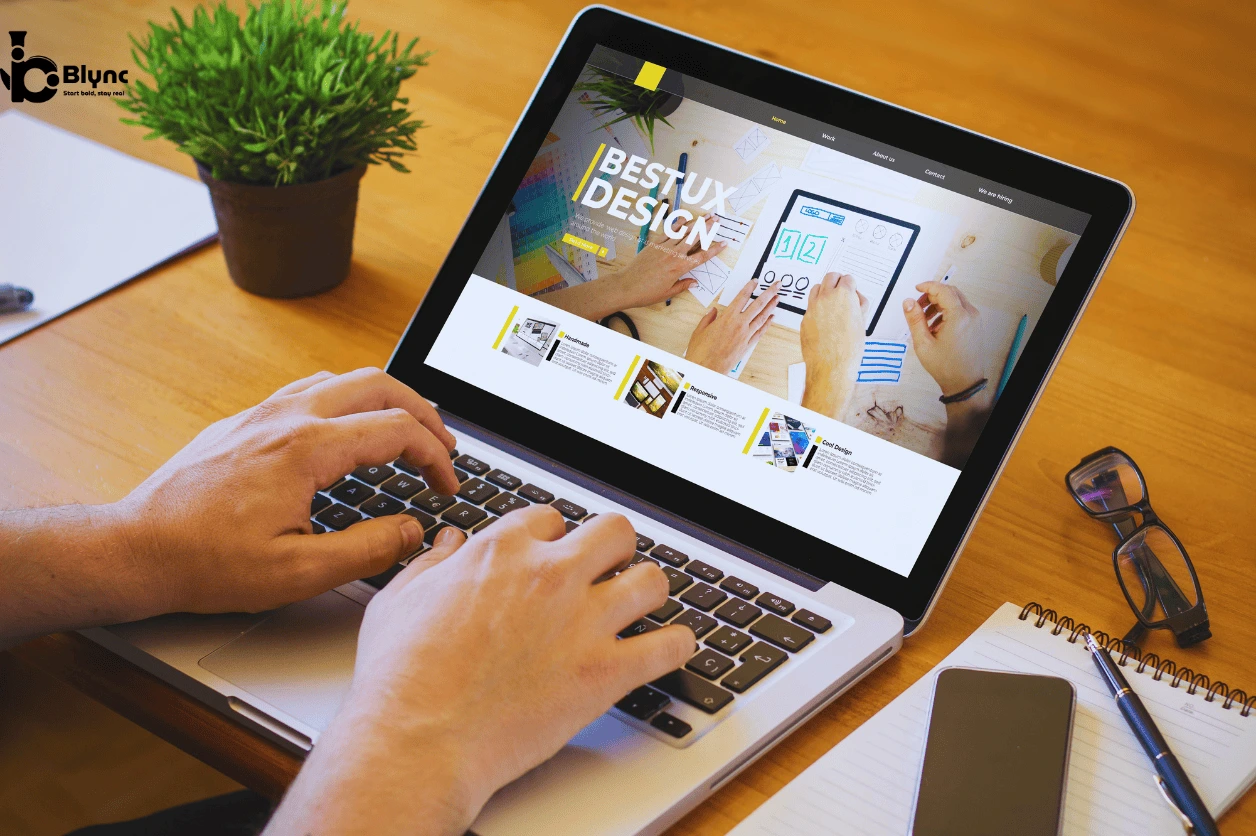
Why Professional Website Design Is Critical for Business Growth
In today's digital-first economy, your website serves as more than just an online presence—it's your business's digital storefront, primary sales tool, and often the first point of contact potential customers have with your brand. Professional website design has evolved from being a nice-to-have luxury to an absolute necessity for sustainable business growth. This comprehensive guide explores why investing in professional web design delivers exceptional returns and how it directly impacts your bottom line.
The First Impression Economy: Why Design Matters More Than Ever
Research consistently shows that it takes users less than 50 milliseconds to form an opinion about your website, and by extension, your business. In this split-second judgment, professional design can be the difference between gaining a new customer and losing them to competitors forever.
The Psychology of First Impressions
Human beings are wired to make rapid assessments based on visual cues. When visitors land on your website, they immediately evaluate:
- Trustworthiness: Does this business look legitimate and professional?
- Credibility: Can I rely on the information and services provided?
- Quality: Does the attention to detail in design suggest quality in products/services?
- Modern Relevance: Is this business current and technologically competent?
A poorly designed website signals neglect, lack of attention to detail, and potentially outdated business practices. Conversely, professional design communicates that you care about your customers' experience and are committed to excellence in every aspect of your business.
The Competitive Advantage of Design
In crowded marketplaces, professional website design becomes a powerful differentiator. When competitors offer similar products or services at comparable prices, the user experience often becomes the deciding factor. A well-designed website can:
- Increase conversion rates by making it easier for customers to purchase
- Reduce bounce rates by engaging visitors immediately
- Improve customer retention through positive user experiences
- Enhance brand perception and memorability
- Command premium pricing based on perceived quality
Direct Impact on Business Metrics and Growth
Conversion Rate Optimization
Professional design directly influences conversion rates across multiple touchpoints. Every design element—from button placement to color schemes—can impact whether visitors complete desired actions.
Navigation and User Flow: Professional designers create intuitive navigation paths that guide users toward conversion points. They understand how users scan pages, where they expect to find information, and how to reduce friction in the buying process.
Call-to-Action Optimization: Strategic placement, sizing, and styling of call-to-action buttons can dramatically increase click-through rates. Professional designers conduct A/B testing to determine which designs perform best for specific audiences.
Trust Signals: Professional design incorporates trust-building elements like security badges, customer testimonials, and professional imagery that reassure visitors and increase their likelihood to convert.
Search Engine Optimization Benefits
Google and other search engines increasingly prioritize user experience in their ranking algorithms. Professional website design contributes to SEO success through:
Mobile Responsiveness: With mobile-first indexing, responsive design is essential for search visibility. Professional designers ensure your website functions flawlessly across all devices.
Page Speed Optimization: Professional design includes optimized images, clean code, and efficient loading structures that improve page speed—a critical ranking factor.
User Engagement Metrics: Well-designed sites encourage longer visit durations, lower bounce rates, and higher engagement—all positive signals to search engines.
Structured Data Implementation: Professional designers implement proper schema markup and structured data that helps search engines understand and properly display your content in search results.
Brand Authority and Perception
Your website design directly influences how customers perceive your brand's authority and expertise in your industry. Professional design communicates:
Industry Leadership: Modern, sophisticated design suggests you're at the forefront of your industry
Attention to Detail: Quality design implies quality products and services
Customer Focus: User-centered design shows you care about customer experience
Technical Competence: Professional implementation suggests technical expertise in your core business
The ROI of Professional Website Design
Quantitative Returns
Investing in professional website design delivers measurable returns across multiple metrics:
Increased Conversion Rates: Businesses typically see 20-35% increases in conversion rates after professional redesigns
Higher Average Order Values: Improved user experience often leads to larger purchases and more frequent repeat business
Reduced Customer Acquisition Costs: Better organic search rankings and word-of-mouth referrals lower marketing expenses
Improved Customer Lifetime Value: Positive experiences lead to longer customer relationships and increased loyalty
Qualitative Benefits
Beyond direct metrics, professional design delivers significant qualitative advantages:
Enhanced Brand Recognition: Consistent, professional design makes your brand more memorable
Improved Customer Trust: Professional appearance builds confidence and reduces purchase anxiety
Better Employee Pride: Employees are more proud to represent companies with professional web presence
Increased Partnership Opportunities: Professional appearance attracts better business partners and opportunities
Essential Elements of Professional Website Design
Strategic Visual Design
Professional visual design goes beyond making things look attractive—it serves strategic business objectives:
Color Psychology: Professional designers understand how different colors affect user emotions and actions, selecting palettes that support your brand message and conversion goals.
Typography: Font selection impacts readability, brand perception, and user engagement. Professional designers choose typography that enhances both aesthetics and functionality.
Imagery and Visual Elements: High-quality, professional imagery builds credibility and supports your brand story. Professional designers ensure visual consistency and strategic use of images throughout your site.
White Space and Layout: Strategic use of white space improves readability, focuses attention, and creates a sense of sophistication and clarity.
User Experience (UX) Design
Professional UX design focuses on making websites intuitive and enjoyable to use:
Information Architecture: Logical organization of content helps users find what they need quickly and easily
Interaction Design: Smooth, predictable interactions create confidence and reduce frustration
Accessibility: Professional design ensures your website is usable by people with disabilities, expanding your potential audience
Cross-Device Consistency: Seamless experience across desktop, tablet, and mobile devices
Technical Excellence
Professional design requires solid technical foundations:
Clean, Efficient Code: Well-written code improves performance, security, and maintainability
Security Implementation: Professional designers implement security best practices to protect both your business and your customers
Scalability: Professional design accommodates business growth and increased traffic
Integration Capabilities: Professional sites integrate smoothly with other business systems and tools
Common Website Design Mistakes That Hurt Growth
DIY Design Pitfalls
Many businesses attempt to save money with DIY website design, often resulting in costly mistakes:
Inconsistent Branding: Mismatched colors, fonts, and styles confuse customers and damage brand perception
Poor Mobile Experience: Non-responsive designs alienate the growing mobile user base
Slow Loading Times: Unoptimized images and inefficient code frustrate users and hurt search rankings
Navigation Confusion: Illogical menu structures and poor information architecture prevent users from finding what they need
Outdated Design Practices
Websites that haven't been updated recently often suffer from outdated elements that damage credibility:
Flash Animations: Outdated technology that doesn't work on mobile devices
Auto-Playing Music/Sound: Intrusive elements that annoy users and increase bounce rates
Pop-Up Overuse: Aggressive pop-up strategies that frustrate visitors
Stock Photo Overload: Generic imagery that fails to differentiate your brand
The Professional Design Process: What to Expect
Discovery and Strategy
Professional design begins with comprehensive discovery:
Business Goal Analysis: Understanding your specific business objectives and growth targets
Target Audience Research: Deep dive into your ideal customers' needs, preferences, and behaviors
Competitive Analysis: Evaluating competitor websites to identify opportunities and threats
Technical Requirements: Assessing integration needs, security requirements, and scalability considerations
Design and Development
The professional design process includes multiple phases:
Wireframing: Structural planning of page layouts and user flows
Mockups: Visual design representations showing colors, typography, and imagery
Prototyping: Interactive demonstrations of user experience and functionality
Development: Technical implementation using best practices and modern technologies
Testing: Comprehensive quality assurance across devices, browsers, and user scenarios
Launch and Optimization
Professional design extends beyond launch:
Performance Monitoring: Tracking key metrics to identify optimization opportunities
User Feedback Collection: Gathering insights from real user behavior and preferences
Continuous Improvement: Regular updates and optimizations based on performance data
Security Maintenance: Ongoing security updates and vulnerability management
Choosing the Right Design Partner
Evaluating Design Agencies
When selecting a design partner, consider:
Portfolio Quality: Review past work for design sophistication and business results
Industry Experience: Look for experience in your specific industry or business type
Client Testimonials: Verify satisfaction and results from previous clients
Process Transparency: Ensure clear communication and regular progress updates
Technical Capabilities: Confirm expertise in required technologies and platforms
Investment Considerations
Professional website design is an investment, not an expense:
Cost vs. Value: Consider the long-term revenue impact rather than upfront costs
Scalability: Choose solutions that can grow with your business
Maintenance Requirements: Factor in ongoing costs for updates and security
ROI Timeline: Understand realistic expectations for return on investment
Future-Proofing Your Website Design
Emerging Design Trends
Professional design incorporates forward-thinking elements:
AI-Powered Personalization: Dynamic content adaptation based on user behavior
Voice User Interface: Optimization for voice search and commands
Augmented Reality Integration: Immersive product experiences and demonstrations
Progressive Web Apps: App-like experiences within web browsers
Adaptability and Evolution
Professional design prepares your business for future changes:
Flexible Architecture: Modular design that accommodates new features and technologies
Content Management: Easy-to-update systems for non-technical users
Analytics Integration: Comprehensive tracking for data-driven decision making
Scalable Infrastructure: Technical foundation that supports business growth
Measuring Design Success
Key Performance Indicators
Track these metrics to evaluate design effectiveness:
Conversion Rates: Percentage of visitors completing desired actions
Bounce Rates: Percentage of visitors leaving without interaction
Time on Site: Average duration of user visits
Page Load Speed: Time required for pages to fully load
Mobile Conversion Rates: Performance specifically on mobile devices
Search Engine Rankings: Position in search results for target keywords
User Feedback and Testing
Complement quantitative data with qualitative insights:
User Testing: Observing real users interacting with your website
Surveys and Feedback: Direct input from customers about their experience
Heat Mapping: Visual representation of user interaction patterns
Session Recording: Reviewing individual user sessions for optimization opportunities
Conclusion: Design as a Growth Engine
Professional website design is not merely about aesthetics—it's a strategic business investment that drives growth, builds brand authority, and creates sustainable competitive advantages. In today's digital marketplace, your website often serves as your most important sales tool, brand ambassador, and customer service representative.
The businesses that thrive in the modern economy understand that professional design delivers exceptional returns through increased conversions, improved customer retention, enhanced brand perception, and reduced operational costs. They view website design not as a one-time expense but as an ongoing strategic investment in their company's future.
As consumer expectations continue to rise and digital competition intensifies, the gap between professionally designed websites and amateur attempts will only widen. The question is no longer whether you can afford professional website design, but whether you can afford the growth limitations of not having it.
Investing in professional website design is investing in your business's ability to compete, grow, and succeed in the digital age. It's a decision that pays dividends through increased revenue, enhanced brand value, and stronger customer relationships—outcomes that no business can afford to ignore in today's competitive landscape.
The time to prioritize professional website design is now. Your future growth depends on it.