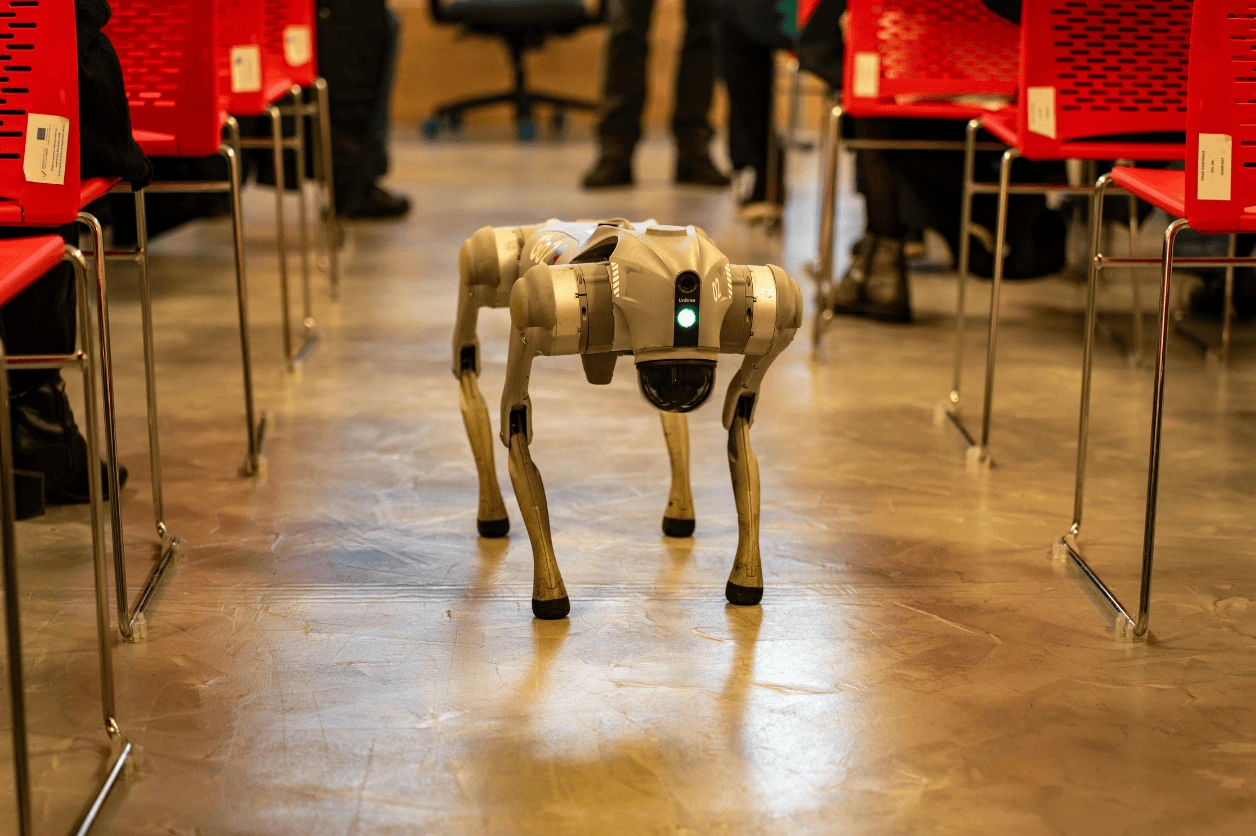
Robots Take a Bigger Role in Everyday Life
The year 2026 marks a significant milestone in human-robot interaction. Robots are no longer confined to factory floors or science fiction narratives—they're becoming integral parts of our daily lives, performing tasks that range from household chores to complex medical procedures. This comprehensive exploration reveals how robots are transforming everyday experiences and reshaping our relationship with technology.
The Home Revolution: Domestic Robots Go Mainstream
Smart Home Robotics Evolution
The modern home is increasingly populated by intelligent robots that handle routine tasks autonomously:
Autonomous Cleaning Systems: Today's robotic vacuums and mops have evolved far beyond simple navigation. Advanced models use AI-powered computer vision to identify different floor types, detect obstacles, and even learn cleaning patterns specific to each home. They can automatically empty their dustbins, clean themselves, and coordinate with other home systems to clean when residents are away.
Kitchen Assistant Robots: Robotic kitchen assistants have moved from novelty to necessity in many households. These devices can chop vegetables, stir pots, monitor cooking temperatures, and even follow complex recipes. Advanced models can learn family preferences and suggest meals based on available ingredients and dietary restrictions.
Laundry Management Robots: Smart laundry robots can sort clothes by color and fabric type, load and unload washing machines, fold clothes, and even manage inventory of detergent and supplies. They integrate with weather forecasts to optimize drying times and with family calendars to ensure clean clothes are available when needed.
Personal Care and Assistance
Robots are increasingly handling personal care tasks, particularly for elderly and disabled individuals:
Health Monitoring Robots: These robots can track vital signs, remind patients to take medications, detect falls, and even provide emergency assistance. They use facial recognition to identify family members and can alert caregivers or emergency services when needed.
Mobility Assistance Robots: Advanced robotic wheelchairs and walking assistants help people with mobility challenges navigate their homes and communities safely. These robots can map environments, avoid obstacles, and even provide physical support for standing and sitting.
Companion Robots: Social robots designed for emotional support and companionship have become increasingly sophisticated. They can engage in conversations, play games, provide reminders, and even detect changes in mood or behavior that might indicate health issues.
The Urban Landscape: Robots in Public Spaces
Transportation and Delivery
Urban environments are being transformed by robotic systems that enhance mobility and convenience:
Autonomous Vehicles: Self-driving cars, buses, and delivery vehicles are now common in many cities. These vehicles use advanced sensor arrays and AI systems to navigate complex urban environments safely and efficiently. They communicate with each other and with infrastructure to optimize traffic flow and reduce congestion.
Delivery Robots and Drones: Last-mile delivery is increasingly handled by robots ranging from small sidewalk delivery bots to large aerial drones. These systems can deliver packages, food, and medical supplies 24/7, regardless of weather conditions. They optimize routes in real-time and coordinate with building systems for secure drop-offs.
Robotic Public Services: Cities deploy robots for various public services including street cleaning, snow removal, and infrastructure inspection. These robots work continuously, collecting data on road conditions, traffic patterns, and environmental quality.
Retail and Service Environments
Robots are transforming how we shop and receive services:
Retail Assistant Robots: Stores employ robots for inventory management, customer assistance, and even checkout processes. These robots can help customers find products, provide information, and process transactions without human intervention.
Restaurant Service Robots: Restaurants use robots for taking orders, food preparation, and table service. These systems can handle multiple tables simultaneously, remember customer preferences, and even recommend dishes based on past orders.
Hotel Service Robots: Hotels deploy robots for concierge services, room cleaning, and luggage handling. These robots can check guests in, provide room keys, deliver amenities, and even offer local recommendations.
Healthcare Revolution: Robots in Medical Settings
Surgical and Medical Procedures
Robotic systems have revolutionized medical procedures, offering unprecedented precision and capabilities:
Robotic Surgery Systems: Advanced surgical robots allow surgeons to perform complex procedures with enhanced precision and minimal invasiveness. These systems provide tremor filtering, motion scaling, and enhanced visualization, enabling procedures that were previously impossible or extremely risky.
Diagnostic Robots: AI-powered robots can analyze medical images, conduct initial examinations, and even perform basic diagnostic procedures. These systems work alongside human healthcare providers to improve diagnostic accuracy and speed.
Rehabilitation Robots: Robotic systems help patients recover from injuries and surgeries through guided exercises and therapy. These robots can adapt to individual patient needs, track progress, and provide real-time feedback to healthcare providers.
Hospital Operations
Hospitals increasingly rely on robots for operational efficiency:
Medication Dispensing Robots: Automated systems manage medication inventory, prepare prescriptions, and ensure accurate dosing. These systems reduce errors and free pharmacists for more complex patient care activities.
Logistics Robots: Hospital robots handle tasks like linen delivery, waste management, and equipment transport. These systems operate 24/7, ensuring that supplies are available where and when needed.
Sanitation Robots: Specialized robots use UV light and other technologies to disinfect patient rooms, operating theaters, and other critical areas. These systems can achieve higher levels of sterilization than manual methods.
Education and Learning: Robotic Tutors and Assistants
Personalized Learning
Robots are transforming education through personalized, adaptive learning experiences:
Robotic Tutors: AI-powered robots provide one-on-one instruction tailored to individual learning styles and paces. These robots can identify areas where students struggle, adjust teaching methods, and provide immediate feedback.
Language Learning Robots: Specialized robots help students learn new languages through conversation, pronunciation practice, and cultural education. These robots can simulate real-world conversations and provide instant corrections.
STEM Education Robots: Hands-on robotic systems help students learn programming, engineering, and problem-solving skills. These robots range from simple educational kits to advanced systems used in university laboratories.
Classroom Support
Robots assist teachers and enhance classroom experiences:
Teaching Assistant Robots: These robots handle routine tasks like taking attendance, grading assignments, and managing classroom materials. This allows teachers to focus on individual student needs and complex teaching activities.
Special Education Robots: Robots designed for students with special needs provide customized support and assistance. These robots can adapt to various disabilities and learning challenges, ensuring inclusive education.
Library and Research Robots: Automated systems manage library collections, assist with research, and help students locate resources. These robots can even provide research assistance and citation help.
Agriculture and Food Production: Robotic Farming
Precision Agriculture
Robots are transforming how we grow and harvest food:
Autonomous Farming Equipment: Self-driving tractors, harvesters, and irrigation systems work around the clock with minimal human supervision. These systems use GPS, computer vision, and AI to optimize field operations and reduce resource usage.
Crop Monitoring Robots: Drones and ground-based robots monitor crop health, soil conditions, and pest activity. These systems can identify problems early and recommend targeted interventions, reducing pesticide use and improving yields.
Harvesting Robots: Specialized robots can pick delicate fruits and vegetables with precision that matches or exceeds human capability. These robots work continuously and can sort produce by quality automatically.
Food Processing and Distribution
Robots handle food processing and distribution tasks:
Processing Robots: Automated systems handle tasks like sorting, cleaning, cutting, and packaging food products. These robots maintain hygiene standards and work at speeds impossible for human workers.
Warehouse Robots: Food distribution centers use robots for inventory management, order picking, and shipping. These systems optimize storage conditions and reduce food waste through better inventory rotation.
Quality Control Robots: Computer vision systems inspect food products for quality and safety, detecting contaminants, defects, and spoilage with superhuman accuracy.
Entertainment and Recreation: Robotic Companions and Experiences
Personal Entertainment
Robots provide new forms of entertainment and companionship:
Robotic Pets: Lifelike robotic animals provide companionship without the responsibilities of pet ownership. These robots can respond to touch, sound, and even develop unique personalities over time.
Gaming and Sports Robots: Advanced robots serve as opponents, teammates, or referees in various games and sports. These robots can adapt their skill level to provide appropriate challenges for human players.
Creative Robots: Artistic robots can paint, compose music, or create other forms of art. These systems learn from human artists and can generate original works in various styles.
Public Entertainment
Robots enhance public entertainment experiences:
Theme Park Robots: Advanced animatronics and interactive robots create immersive experiences in theme parks and entertainment venues. These robots can interact with guests, tell stories, and even perform complex stunts.
Museum Guide Robots: Robotic guides provide personalized tours and information in museums and galleries. These robots can adapt explanations to visitor interests and knowledge levels.
Performance Robots: Robots participate in theatrical performances, concerts, and other live entertainment events. These robots can perform feats impossible for human performers.
Safety and Security: Robotic Protection
Home and Personal Security
Robots enhance security in residential and personal contexts:
Security Patrol Robots: Autonomous robots monitor homes and properties, detecting intruders, fires, and other hazards. These systems can alert authorities and provide real-time video feeds.
Personal Protection Robots: Portable robots provide personal security for individuals in dangerous situations. These robots can emit alarms, record incidents, and even call for help automatically.
Disaster Response Robots: Specialized robots assist in search and rescue operations during natural disasters and emergencies. These robots can navigate dangerous environments and locate survivors where human responders cannot safely go.
Public Safety
Robots enhance public safety in communities:
Police and Emergency Robots: Law enforcement agencies use robots for dangerous tasks like bomb disposal, hostage situations, and hazardous material incidents. These robots protect human officers while providing critical capabilities.
Firefighting Robots: Specialized robots can enter burning buildings, handle hazardous materials, and perform rescue operations in conditions too dangerous for human firefighters.
Infrastructure Inspection Robots: Robots inspect bridges, buildings, pipelines, and other critical infrastructure for safety issues. These systems can detect problems before they become critical failures.
Economic and Social Impact
Job Market Transformation
The proliferation of robots is transforming employment patterns:
New Job Categories: Robot maintenance, programming, and design have become significant employment sectors
Job Displacement: Some routine jobs are being automated, requiring workforce adaptation
Skill Evolution: Workers increasingly need skills in robot operation and human-robot collaboration
Economic Growth: Increased productivity and new industries are creating economic opportunities
Social and Cultural Changes
Robots are changing how we live and interact:
Human-Robot Relationships: People are developing emotional connections with robots, especially companion and service robots
Privacy Considerations: Robots in homes and public spaces raise important privacy questions
Ethical Questions: Society is grappling with questions about robot rights, responsibilities, and decision-making
Accessibility Improvements: Robots are making life more accessible for elderly and disabled individuals
Challenges and Considerations
Technical Challenges
Despite rapid advancement, significant technical challenges remain:
Battery Life and Power: Many robots still face limitations in battery life and power efficiency
Complex Task Mastery: While robots excel at routine tasks, complex, unpredictable tasks remain challenging
Human Interaction: Natural, intuitive human-robot interaction continues to improve but needs further development
Cost and Accessibility: Advanced robots remain expensive, limiting widespread adoption
Ethical and Social Challenges
The robot revolution raises important ethical questions:
Privacy and Surveillance: Robots in homes and public spaces collect vast amounts of data
Job Displacement: Concerns about robots replacing human workers persist
Autonomy and Control: Questions about robot decision-making and human oversight
Social Isolation: Concerns that robot companions might reduce human interaction
Future Developments and Trends
Near-Term Evolution (2026-2028)
The next few years will see significant improvements in:
Enhanced AI Capabilities: More sophisticated decision-making and learning abilities
Improved Mobility: Better navigation and physical interaction capabilities
Lower Costs: Mass production and technological advances will make robots more affordable
Greater Integration: Robots will work more seamlessly with other smart systems and humans
Long-Term Vision (2029-2035)
Looking further ahead, we can expect:
Full Autonomy: Robots capable of handling complex tasks without human supervision
Emotional Intelligence: Robots that can understand and respond to human emotions
Creative Problem-Solving: Robots that can devise novel solutions to unexpected challenges
Human-Robot Integration: Seamless collaboration between humans and robots in all aspects of life
Preparing for a Robotic Future
Individual Preparation
Individuals can prepare for increased robot integration:
Digital Literacy: Understanding how robots work and how to interact with them
Adaptability: Being open to new ways of living and working alongside robots
Skill Development: Learning skills that complement rather than compete with robots
Ethical Awareness: Understanding the ethical implications of robot use
Societal Preparation
Society needs to prepare for widespread robot adoption:
Education Systems: Adapting curricula to include robotics and human-robot interaction
Regulatory Frameworks: Developing laws and regulations for robot deployment and use
Infrastructure Investment: Building infrastructure that supports robot operation
Social Safety Nets: Supporting workers displaced by robot automation
Conclusion: Embracing the Robotic Future
Robots are taking a bigger role in everyday life, transforming how we live, work, and interact with the world. This transformation brings both opportunities and challenges that we must navigate thoughtfully and deliberately.
The benefits are clear: increased efficiency, enhanced safety, improved accessibility, and new capabilities that extend human potential. Robots are handling dangerous tasks, assisting those who need help, and freeing humans to focus on creative, strategic, and interpersonal activities.
However, we must also address the challenges: ensuring privacy and security, managing workforce transitions, developing ethical guidelines, and maintaining human connection and dignity in an increasingly automated world.
The future of robots in everyday life is not predetermined—it's something we actively shape through our choices, policies, and values. By approaching this future with thoughtfulness, creativity, and ethical consideration, we can harness robots' potential to enhance human life rather than diminish it.
The robot revolution is here, and it's transforming our world in ways both subtle and profound. Those who understand this transformation and prepare for it will thrive in the robot-augmented world of tomorrow. The question is not whether robots will become part of our daily lives—they already have—but how we can work alongside them to create a better future for everyone.
As we navigate this robotic future, let's focus on the uniquely human qualities that robots cannot replace: creativity, empathy, wisdom, and moral judgment. By combining these human strengths with robots' capabilities, we can create a world that is more efficient, more accessible, and ultimately more human.
The age of everyday robots has arrived, and it's bringing possibilities we're only beginning to imagine.